NRC recently published an extensive article about Robin Berg and the role of We Drive Solar in the energy transition. Below, we summarise the most important points. For the full article, please refer to NRC.
Cars as neighbourhood batteries
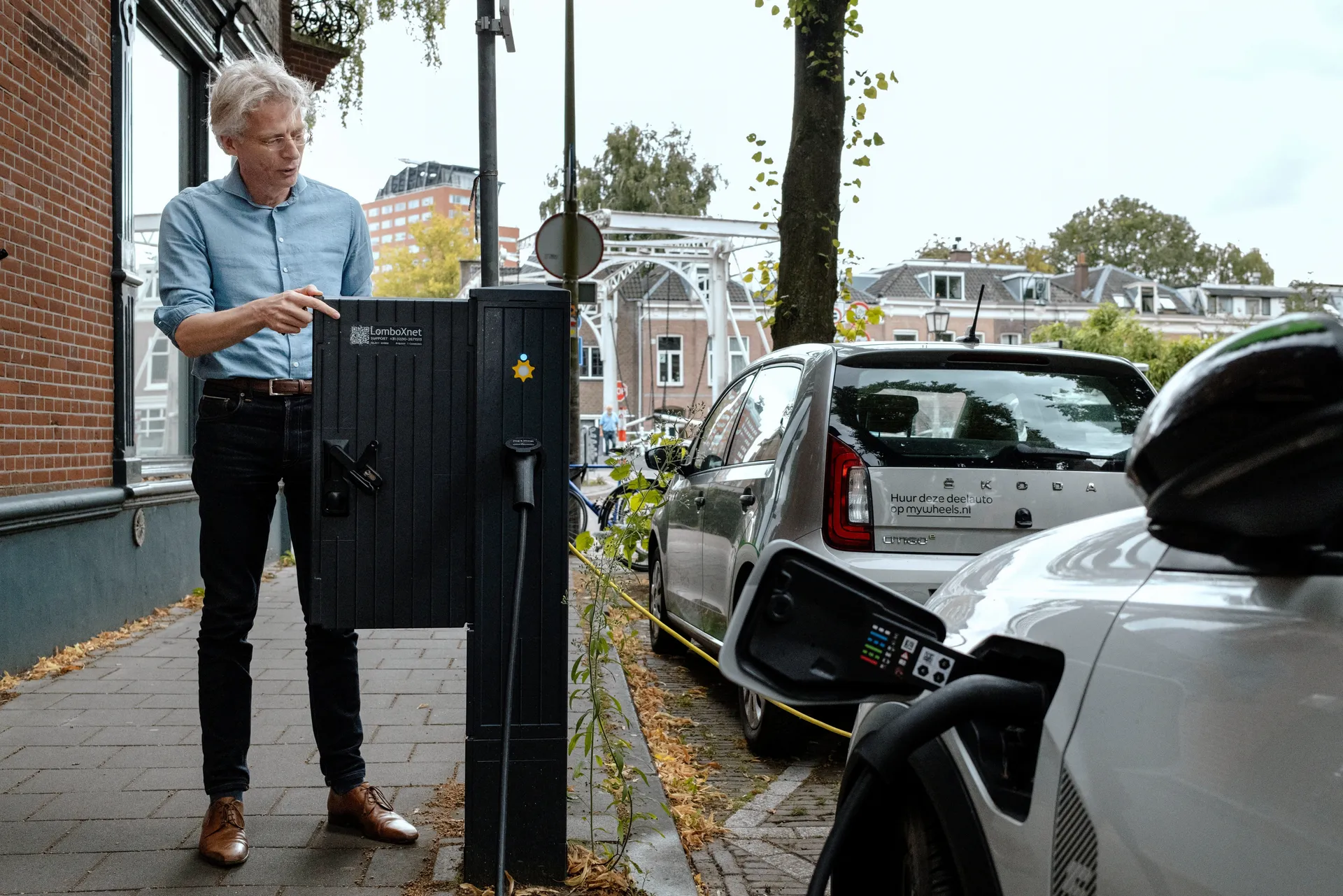
Electric cars are more than just a means of transport. Their batteries have enormous capacity to store solar and wind energy and feed it back into the grid when demand peaks. With just 10% of all cars in a city like Utrecht connected to the grid, overloading can be largely prevented. This transforms the car from a problem into a solution: from taking up space to providing energy.
Innovation despite political inertia
According to Berg, politics is lagging behind in responding to the new economy. Nevertheless, technology continues to advance. While governments debate, pioneers and consumers are driving change. Thanks in part to the net metering scheme, the Netherlands has become the world leader in solar panels per capita. However, this success is now putting extra pressure on a grid that is not designed to handle so much renewable energy.
Collaboration and scaling up
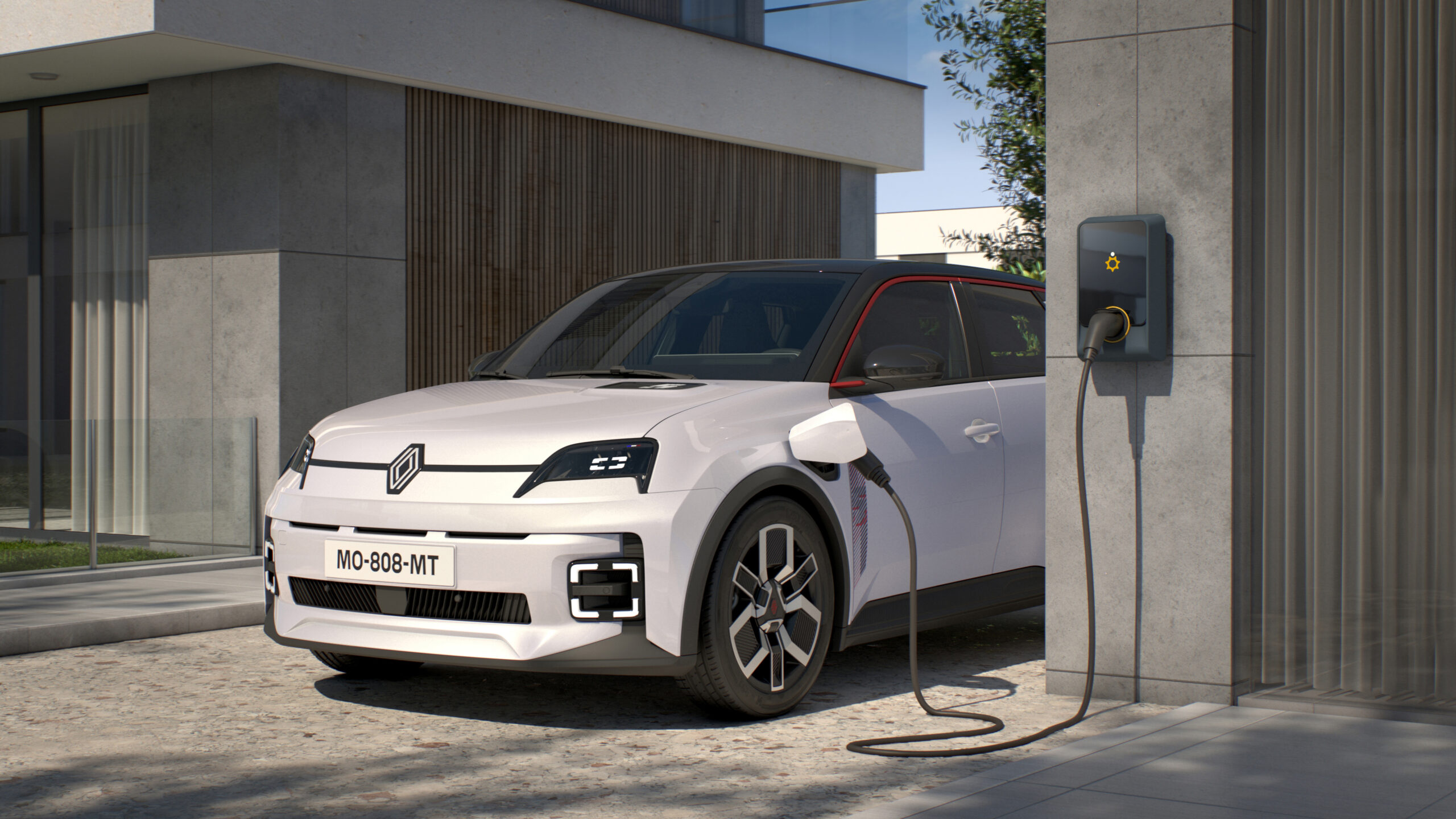
We Drive Solar is collaborating with Renault and MyWheels on the first large-scale rollout of bidirectional shared cars in Utrecht. This combination of car sharing and energy storage is unique in Europe and demonstrates how scalable collaboration can accelerate the transition.
The new economy
Berg prefers not to talk about the “green economy,” but rather the new economy. Technologies such as bidirectional charging are not marginal or idealistic – they are simply better, more efficient and more independent than fossil fuel alternatives. Countries that embrace this most quickly will be the winners in the new global economy.
Want to know more? Read the full article in NRC.